Shield Full-Automatic Screen PrinterElectrothermal Film Production Equipment
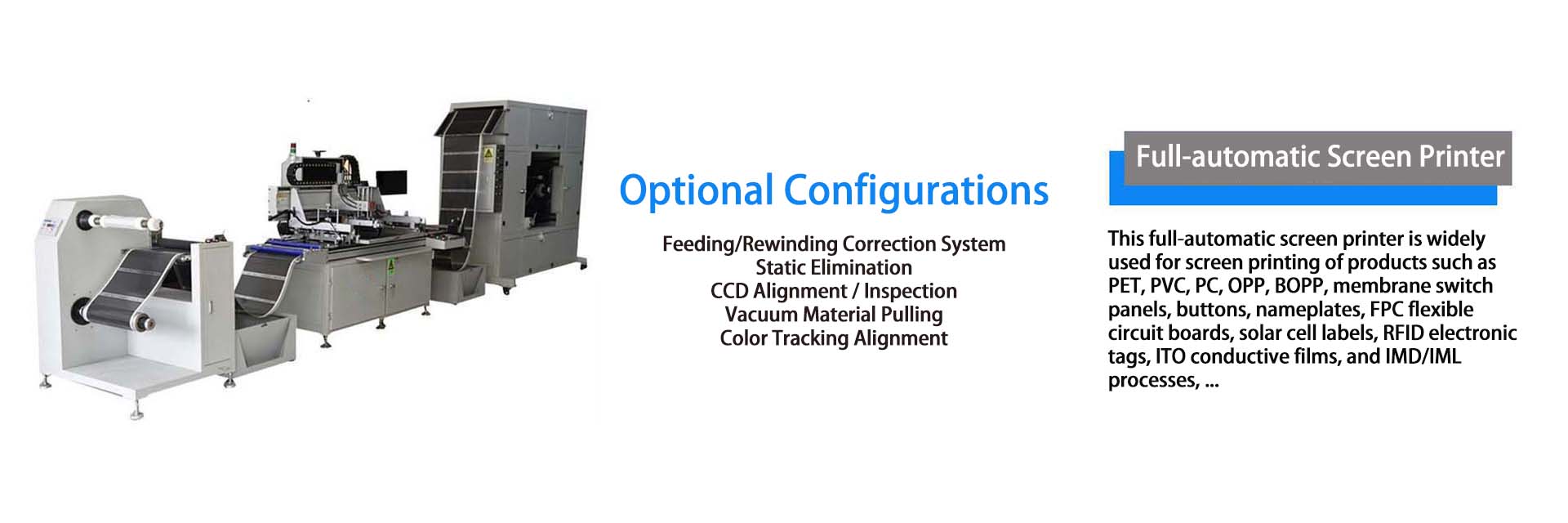
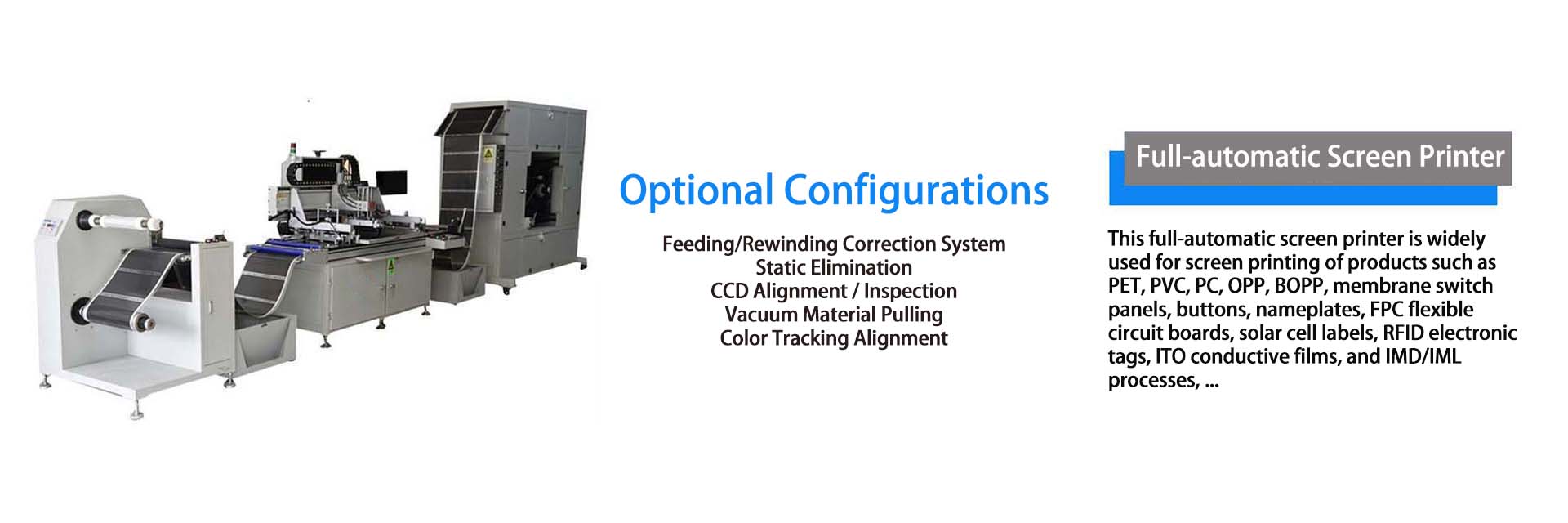
Heat transfer film screen printer: The future choice for advancing printing technology
Column:Technical News Brand: Hengchuanqi Service Hotline:+86-13352849401
Heat transfer film screen printer: The future choice for advancing printing technology

In the modern printing industry, heat transfer film screen printers have gained significant attention due to their high efficiency and high-quality output. With continuous technological advancement, such machines have increasingly become indispensable equipment for many enterprises in production. This article comprehensively explores the working principles, advantages, application fields, and future development trends of heat transfer film screen printers, helping you gain in-depth insights into the latest dynamics and technological progress in this field.
I. Basic Principles of Heat Transfer Film Screen Printers
Heat transfer technology is a printing method that transfers images from heat transfer films to target materials via heating. Its working principle can be summarized in the following steps:
1. **Image Design**: First, designers create required patterns or text using image processing software (e.g., Adobe Photoshop or Illustrator).
2. **Heat Transfer Film Preparation**: After design completion, images are printed onto heat transfer films. These films are typically made of special coating materials to ensure high-quality image output during subsequent transfer.
3. **Transfer Process**: Place the prepared heat transfer film on the material to be printed, then heat it with a heat press machine under specified temperature and pressure. High temperature enables pigments and polymers in the pattern to adhere to the substrate surface, realizing image transfer.
4. **Cooling and Film Removal**: After transfer, allow the material to cool, then gently remove the film, finally presenting vivid and durable patterns.
II. Advantages of Heat Transfer Film Screen Printers
Compared with traditional screen printing or other printing methods, heat transfer film screen printers have several distinct advantages:
1. **High-Precision Printing**: They achieve high-precision image printing with excellent detail rendering, even for complex patterns and gradient colors, ensuring lossless effects.
2. **Material Versatility**: These printers are compatible with various substrates, including fabrics, plastics, metals, and wood, greatly expanding product application scope.
3. **Environmental Friendliness**: Modern heat transfer film screen printers use eco-friendly inks, significantly reducing volatile organic compounds (VOCs) content and meeting current environmental requirements.
4. **Easy Operation**: Compared with other printing methods, they are simpler to operate—staff can master them without complex training.
5. **Cost-Effectiveness**: Although the initial investment is relatively high, their high production efficiency and low maintenance costs significantly reduce production costs in the long run.
III. Application Fields of Heat Transfer Film Screen Printers
Heat transfer film screen printers have a wide range of applications across multiple industries, including:
1. **Apparel Industry**: Heat transfer technology is often used for pattern printing on T-shirts, sportswear, and workwear. Its high-quality output and wear resistance make it a popular choice for custom apparel.
2. **Advertising Industry**: They are used to produce various advertising signs, banners, and posters, ensuring clear images and vivid colors for more effective advertising.
3. **Gift Industry**: In the custom gift sector, heat transfer technology enables personalized designs (e.g., for mugs, keychains, and phone cases), greatly enhancing the added value of gifts.
4. **Home Textiles**: Personalized customization of home textiles such as curtains, tablecloths, and bed sheets can also be achieved via heat transfer technology, improving the aesthetics and uniqueness of home environments.
5. **Sports Goods**: These machines play an important role in printing on sports equipment (e.g., jerseys and sports shoes), allowing sports brands to respond quickly to market demands.
IV. Future Development Trends
With continuous technological advancement, the future development of heat transfer film screen printers will show the following trends:
1. **Intelligent Development**: Future heat transfer film screen printers are expected to integrate more intelligent functions, such as automatic color correction and real-time monitoring, to further improve production efficiency.
2. **Growing Demand for Personalization**: As consumers’ demand for personalized products increases, heat transfer film screen printers will be more widely used in custom printing.
3. **Adoption of Eco-Friendly Materials**: With enhanced environmental awareness, future heat transfer technology will use more eco-friendly materials to reduce environmental impact.
4. **Technological Innovation**: Continuous R&D of new technologies (e.g., digital heat transfer and 3D heat transfer) will improve printing speed and quality, further expanding the application scope of heat transfer film screen printers.
5. **Intensified Market Competition**: As more enterprises enter this field, market competition will become increasingly fierce. Manufacturers need to continuously improve their technical capabilities and service quality to maintain competitive advantages.
Conclusion
With its superior features and broad application prospects, the heat transfer film screen printer has gradually become an indispensable piece of key equipment in the printing industry. Its high-efficiency and high-precision printing effects not only meet the growing market demand for personalization and customization but also provide strong support for enterprises to enhance competitiveness. In the future, with continuous technological progress and further market development, heat transfer film screen printers will surely face greater opportunities and challenges.

Shenzhen Hengchuanqi Precision Machinery Co., Ltd.
Mobile:+86-13352849401 Email:hcqhe@qq.com
Company Headquarters:Building 3, Maozhouhe Industrial Zone, Shapuwei, Songgang Town, Bao'an District, Shenzhen City, Guangdong Province, China
Dongguan Base:No. 11, Zhenye Street, Lingxia, Liaobu Town, Dongguan City, Guangdong Province, China
WeChat
Mobile Version