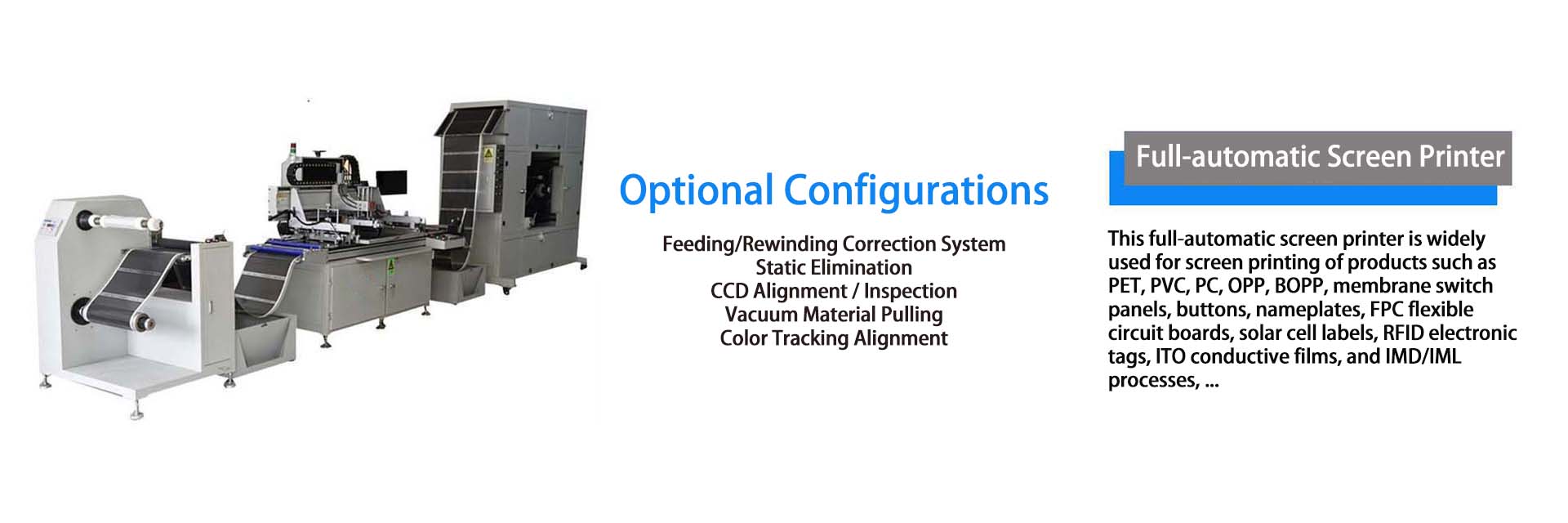
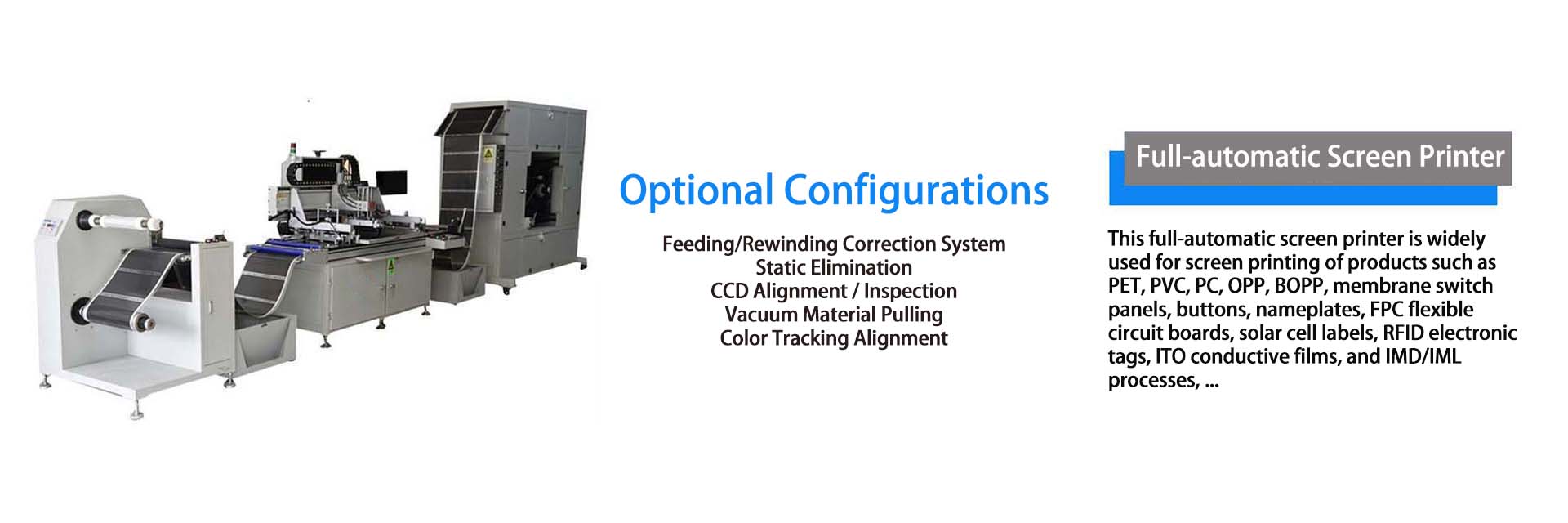
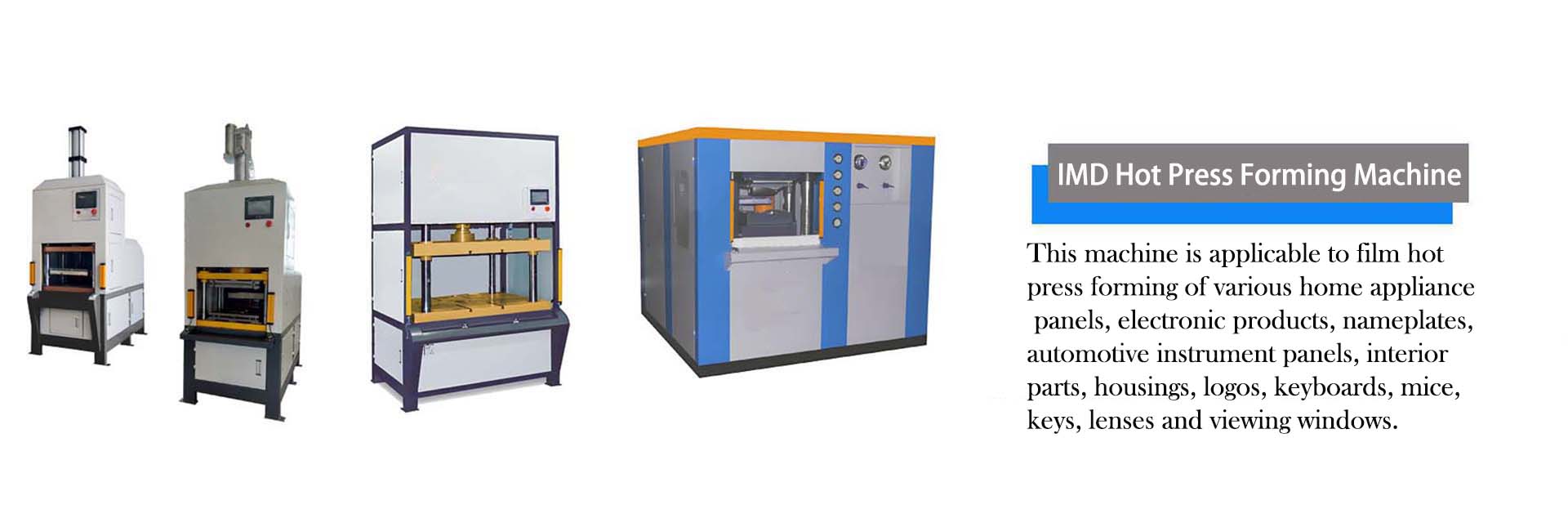
Shield Full-Automatic Screen PrinterElectrothermal Film Production Equipment
What issues should be noted in screen printing of heat transfer labels?
Column:Insights Brand: Hengchuanqi Service Hotline:+86-13352849401
In screen printing for heat transfer labels, the following issues require attention:
**Temperature control**: Heat transfer relies on high temperatures to transfer patterns to labels, so printing temperature must be strictly controlled. Insufficient temperature prevents full melting of heat transfer adhesive, resulting in poor pattern adhesion. Excessive temperature may cause label deformation or damage. Thus, appropriate temperatures must be selected and adjusted based on label material and dimensions.
**Pressure control**: Alongside temperature, proper pressure is critical for successful transfer. Insufficient pressure leads to uneven pattern transfer and poor appearance; excessive pressure may damage or deform labels. Therefore, adequate pressure must be maintained during printing.
**Pattern design**: Meticulous pattern design and production are essential prior to printing. Patterns must conform to label size requirements and account for subsequent printing processes. Color, contrast, and clarity directly affect final results—select suitable graphic design software and communicate with suppliers to ensure patterns achieve the desired display effect on labels.
**Label material selection**: Screen printing for heat transfer labels applies to various materials (fabric, leather, plastic, etc.). Material selection should consider pattern size, color, and label application. Different materials require matching heat transfer adhesives and printing processes to ensure adhesion strength and durability.
**Printing process control**: Controlling environmental conditions (dry, clean workspace with minimal dust/foreign matter) is vital for quality. Regular equipment maintenance and cleaning are also necessary to ensure stable printing quality.
In summary, key considerations for screen printing heat transfer labels include temperature, pressure, pattern design, material selection, and process control. Proper handling of these factors ensures high-quality heat transfer labels.

Shenzhen Hengchuanqi Precision Machinery Co., Ltd.
Mobile:+86-13352849401 Email:hcqhe@qq.com
Company Headquarters:Building 3, Maozhouhe Industrial Zone, Shapuwei, Songgang Town, Bao'an District, Shenzhen City, Guangdong Province, China
Dongguan Base:No. 11, Zhenye Street, Lingxia, Liaobu Town, Dongguan City, Guangdong Province, China
WeChat
Mobile Version