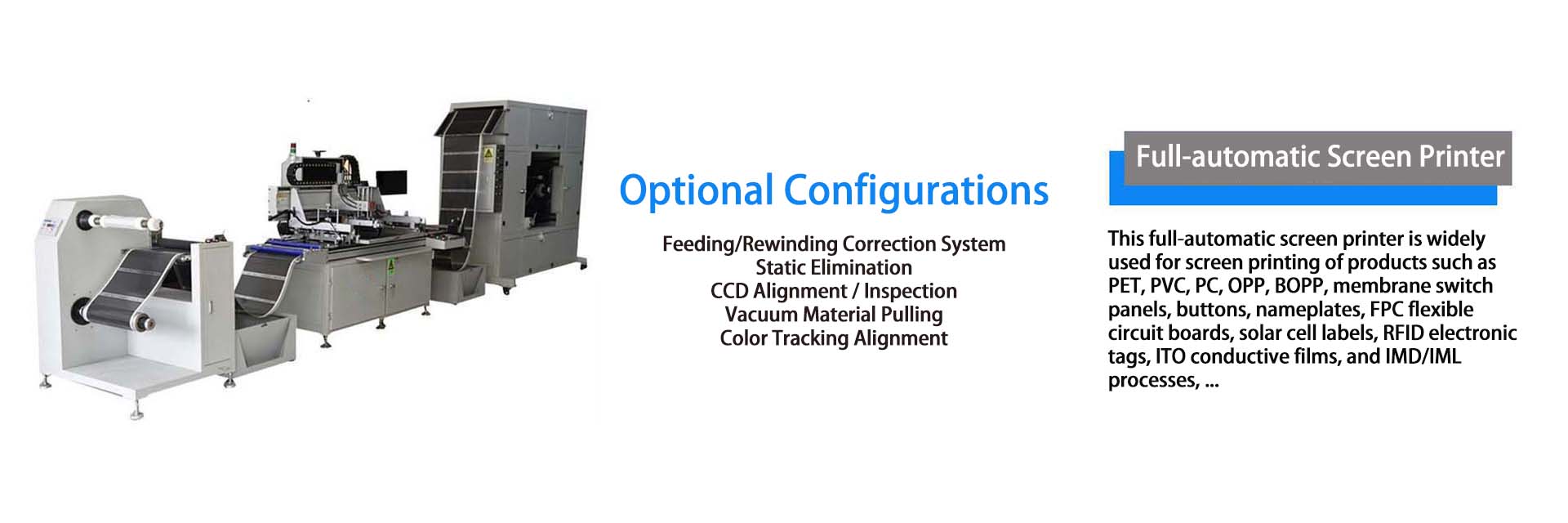
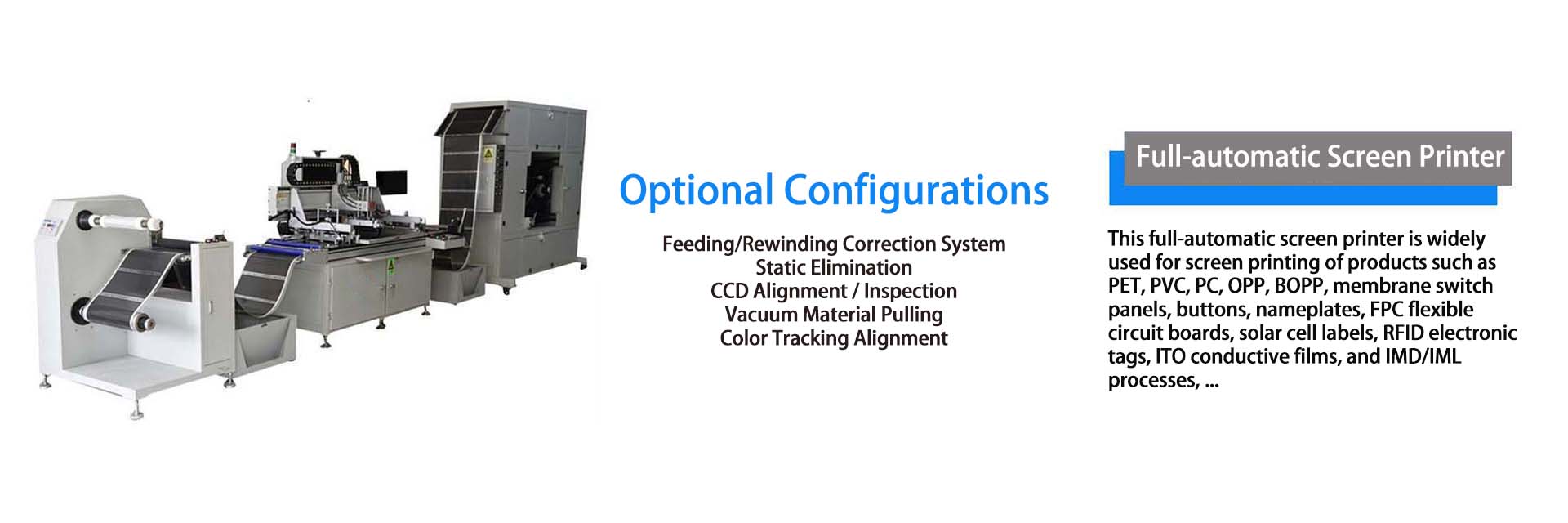
Shield Full-Automatic Screen PrinterElectrothermal Film Production Equipment
Fully Automatic Roll-to-Roll Screen Printing Machine Operation Specifications
Column:Technical News Brand: Hengchuanqi Service Hotline:+86-13352849401

Operation Specifications for Fully Automatic Roll-to-Roll Screen Printing Machine
Fully automatic roll-to-roll screen printers are high-efficiency, precision printing equipment, widely used in producing electric heating films and similar products. This specification is formulated to ensure safe, stable operation, consistent printing quality, and enhanced productivity.
I. Pre-Operation Preparation
**Personnel**
Operators must complete professional training (familiar with equipment structure, performance, procedures, and safety protocols) and pass assessments before operating. Unauthorized operation is strictly prohibited.
**Environment Check**
Ensure the workspace is clean, well-ventilated, and free of flammables, explosives, or corrosive gases. Maintain temperature at 15-30℃ and relative humidity at 40%-60% to avoid impacting quality or equipment performance.
**Equipment Inspection**
- Check components (screen frame, squeegee, feeding/rewinding rollers) for integrity and secure connections; no looseness or damage.
- Inspect transmission systems (motor, chain, belt) for smooth operation; no jamming or abnormal noise.
- Verify pneumatic system: air pressure 0.5-0.6MPa (as specified), air pipes tightly connected, no leaks.
- Check electrical system: voltage stable within AC380V±10%, indicators/buttons/switches functional, wiring intact.
**Material Preparation**
- Substrates (e.g., PET film) must be flat, clean, and free of oil, dust, or wrinkles.
- Inks/pastes: confirm compliance with production specs, stir evenly to avoid sedimentation or caking.
- Screen plates: check for proper tension, clear patterns, no damage/deformation, and unclogged mesh.
II. Startup Procedure
- Turn on main power; wait for self-inspection. Proceed only after indicators show normal status.
- Open compressed air valve, adjust pressure to specifications; verify pneumatic components function.
- Start control system, enter interface, and set parameters (printing speed, pressure, squeegee angle, feeding length, rewinding tension, etc.) per requirements.
- Mount substrates on feeding rack; adjust deviation correction to ensure stable, centered feeding.
- Install screen plate on frame, align with printing position, and secure firmly.
- Pour ink/paste into trough; adjust squeegee position/height for proper contact with the screen.
III. Printing Operation
- Conduct test printing via inching or single-cycle mode. Check pattern clarity, registration accuracy, and ink thickness; adjust parameters if abnormal.
- After qualified tests, start continuous operation. Operators must monitor equipment and print quality, inspect outputs regularly, and stop immediately for troubleshooting if issues arise.
- Replenish ink/paste timely to avoid shortages; keep trough clean to prevent contamination.
- Monitor feeding/rewinding for smooth transport, neat rewinding, and stable tension. Stop immediately if substrate deviates or breaks; resume after fixing.
- Never touch moving parts (rollers, squeegee) during operation. Power off before adjustments or cleaning.
IV. Shutdown Procedure
- Stop continuous operation; turn off control system once equipment halts.
- Close air valve to release pneumatic pressure.
- Turn off main power.
- Clean ink/paste residues; use dedicated solvents to clean screen, squeegee, and trough.
- Seal and store leftover ink/paste in designated areas.
- Organize printed products in labeled storage zones.
- Clean workspace; return tools/gauges to their positions.
V. Routine Maintenance
**Daily**
- Clean surface dust and oil.
- Lubricate moving parts; check and replace pneumatic filter cartridges as needed.
**Weekly**
- Adjust tension of chains/belts; secure screen/squeegee frames.
- Tighten loose electrical terminals.
**Monthly**
- Inspect motors/reducers for abnormal temperature/noise; troubleshoot promptly.
- Clean and lubricate precision components (rails, sliders) to prevent wear.
- Verify safety devices (emergency stops, limit switches) function properly.
VI. Safety Precautions
- Operators must wear PPE (workwear, cap, safety glasses, etc.).
- Stop immediately, cut power, and report to supervisors if abnormal noise, vibration, or smoke occurs; restart only after troubleshooting.
- No unrelated items on equipment to avoid hazards.
- Maintenance must be performed by professionals; no unauthorized disassembly/modification.
- Conduct regular safety checks to ensure functional safety devices.
Strict adherence to this specification is required to ensure safe operation and stable product quality.

Shenzhen Hengchuanqi Precision Machinery Co., Ltd.
Mobile:+86-13352849401 Email:hcqhe@qq.com
Company Headquarters:Building 3, Maozhouhe Industrial Zone, Shapuwei, Songgang Town, Bao'an District, Shenzhen City, Guangdong Province, China
Dongguan Base:No. 11, Zhenye Street, Lingxia, Liaobu Town, Dongguan City, Guangdong Province, China
WeChat
Mobile Version