Shield Full-Automatic Screen PrinterElectrothermal Film Production Equipment
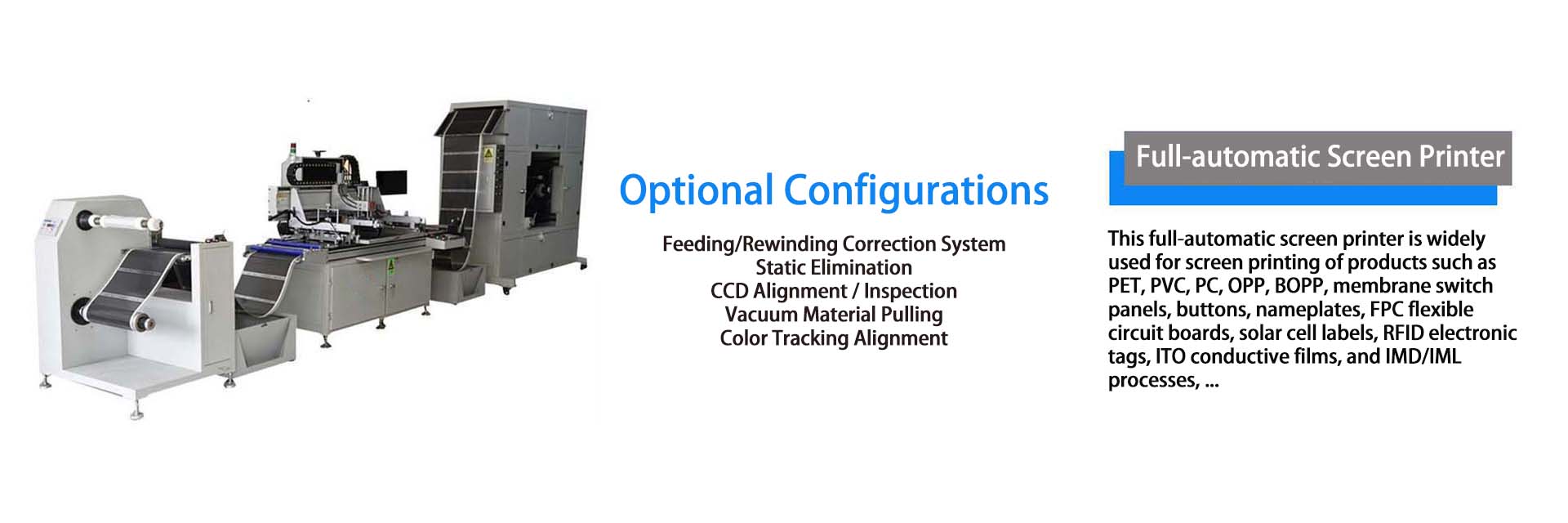
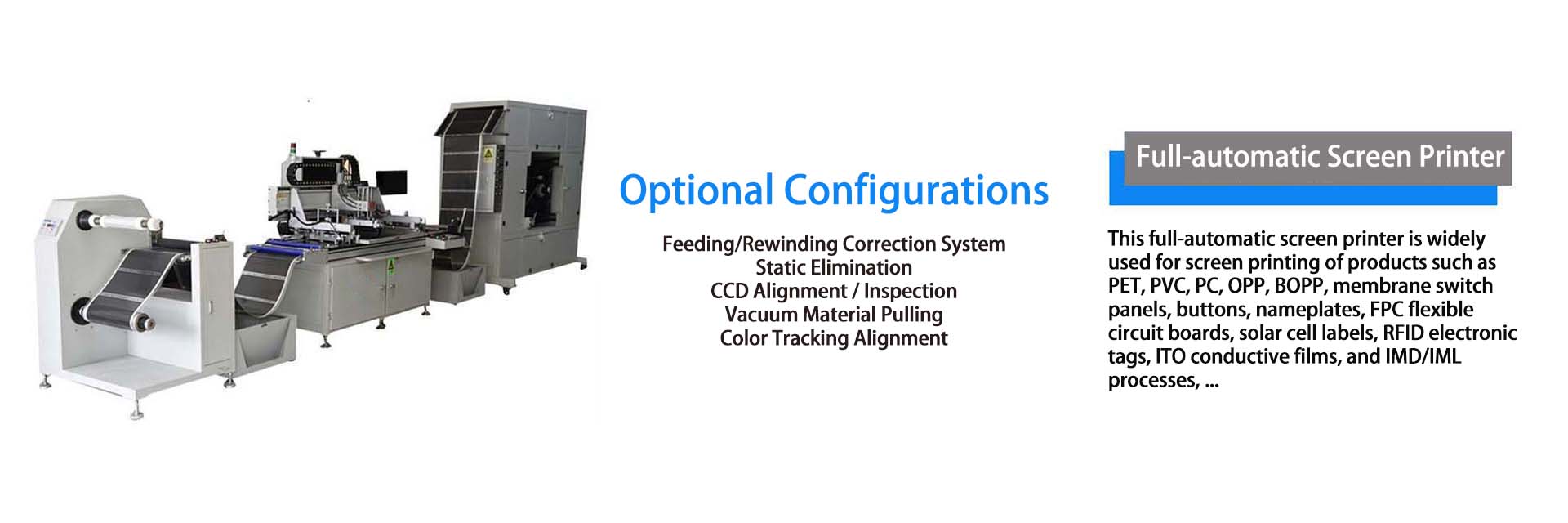
What are the requirements for screen printers and environment in FPC roll material printing?
Column:Technical News Brand: Hengchuanqi Service Hotline:+86-13352849401
Requirements for screen printers and environment in FPC roll material printing are as follows:
Requirements for screen printers:
- Precision control system: Due to the flexibility and fragility of FPC (Flexible Printed Circuit) films, the screen printer must have a high-precision control system to perform printing accurately as designed.
- Flat printing table: A flat printing table is required to ensure print precision and quality, with precise level adjustment function to overcome material surface unevenness.
- Proper transmission control: Reliable transmission control is needed to stably control the position and pressure of the printing squeegee, ensuring consistency in printed line width and layer thickness.
- Temperature and humidity control capability: The printer’s working environment must have stable temperature and humidity control to maintain material performance and printing accuracy.
Requirements for environment:
- Temperature and humidity control: Printing within a specific range ensures better results, requiring a stable temperature and humidity environment on-site.
- Baking and ventilation conditions: Good ventilation and exhaust equipment are necessary to remove harmful gases and particles generated during post-printing baking.
- Clean and dust-free environment: High cleanliness is required to avoid impurities/dust affecting quality, with measures like air filters and clean rooms recommended.
- Electrostatic control: Measures such as conductive floors and ionizers are advised to reduce static generation/accumulation, which may impair print quality.
In summary, FPC roll printing requires precise, stable screen printers with temperature/humidity control, and a clean, dust-free, electrostatic-controlled environment to ensure print quality and reliability. Refer to relevant industry standards and manufacturers’ recommendations for specific requirements.

Shenzhen Hengchuanqi Precision Machinery Co., Ltd.
Mobile:+86-13352849401 Email:hcqhe@qq.com
Company Headquarters:Building 3, Maozhouhe Industrial Zone, Shapuwei, Songgang Town, Bao'an District, Shenzhen City, Guangdong Province, China
Dongguan Base:No. 11, Zhenye Street, Lingxia, Liaobu Town, Dongguan City, Guangdong Province, China
WeChat
Mobile Version