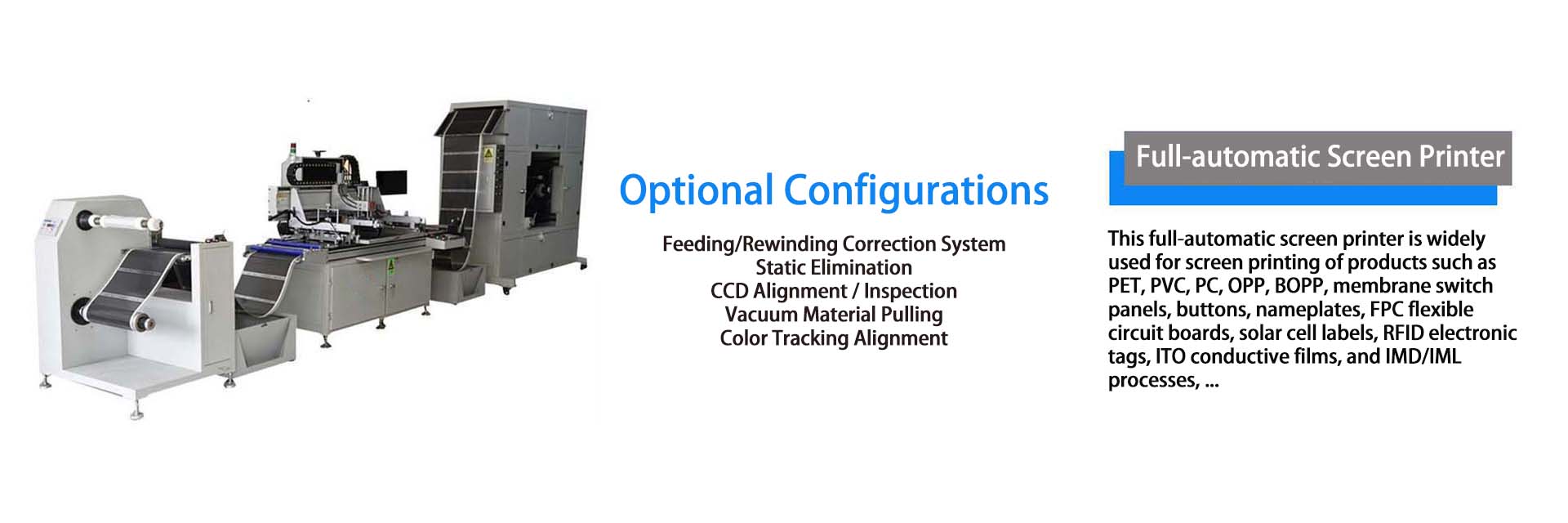
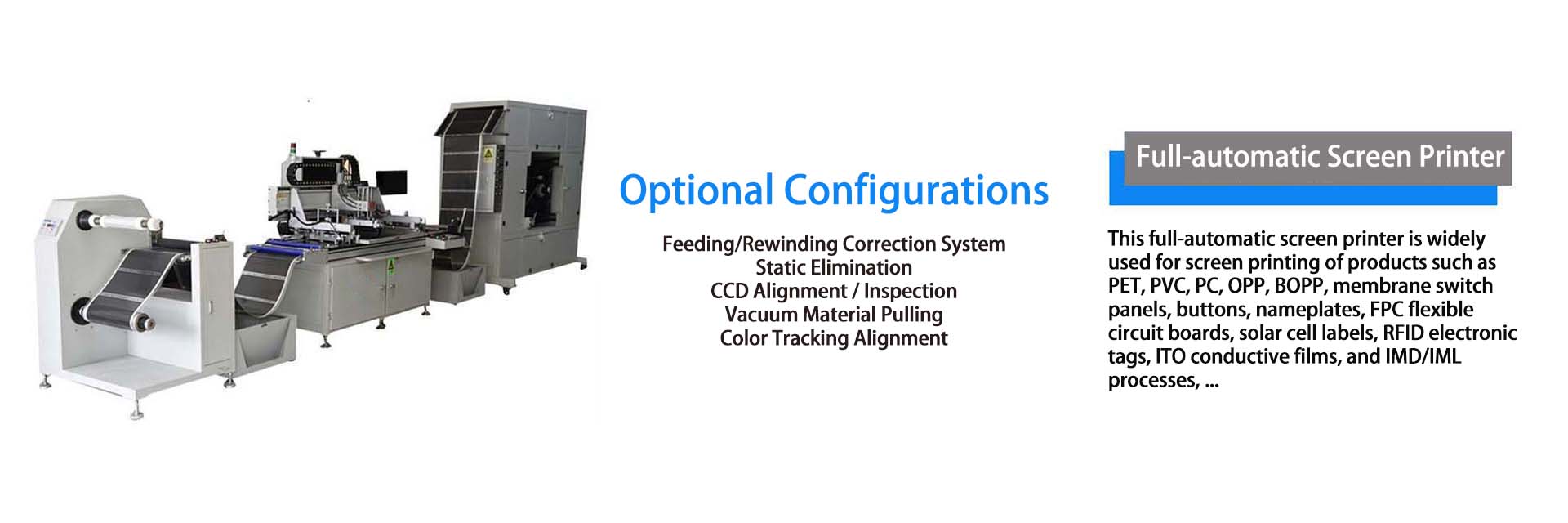
Shield Full-Automatic Screen PrinterElectrothermal Film Production Equipment
[Screen Printer] Core process of mobile phone cover screen printing
Column:Technical News Brand: Hengchuanqi Service Hotline:+86-13352849401
Mobile Phone Cover Silk Screen Printing Process
Mobile phone cover silk screen printing is a surface decoration process. Its core workflow is as follows (processes vary slightly for different types of covers):
1. Pre-Printing Preparation
- **Surface Cleaning**: Glass or composite materials must be thoroughly cleaned to remove impurities, usually via ultrasonic cleaning to ensure ink adhesion.
- **Plate Making & Positioning**: Output the designed pattern to a film negative, and transfer the graphics/text to the silk screen plate through photographic plate making; fix the cover on the printing table, and use a precision alignment system to calibrate the fit between the screen and the cover.
(Insert schematic diagrams of silk screen plate & positioning operation here)
2. Printing Process
- **Ink Coating**: Use a squeegee to evenly scrape ink at a pressure of 0.2–0.5 MPa, allowing ink to transfer to the cover surface through screen mesh. PTFE sheets can recycle excess ink to reduce costs.
(Insert video clip of ink scraping operation here)
- **Curing Treatment**:
- UV ink: Rapid hardening via UV irradiation for 10–30 seconds;
- Non-UV ink: Drying via oven heating at 150–200℃.
3. Post-Processing & Quality Inspection
- **Cleaning & Trimming**: Remove ink overflow at the edges and check pattern integrity.
- **Adhesion Test**: Verify ink firmness using cross-cut test or abrasion test.
(Insert expanded information card on silk screen process here)
4. Process Differences for Special Covers
- **3D Glass Cover**: Silk screen printing is performed after hot bending forming, with high difficulty in curved surface fitting.
- **Composite Material Cover**: First conduct UV transfer texturing, then silk screen the LOGO, and finally shape via high-pressure forming.
Key Control Points
- **Screen Plate Precision**: A high-mesh-count screen improves pattern clarity, and ink transmittance must be balanced.
- **Environmental Requirements**: Operate in a clean room to reduce printing defects.
- **Process Coordination**: Require precise coordination with processes such as hot bending and coating.

Shenzhen Hengchuanqi Precision Machinery Co., Ltd.
Mobile:+86-13352849401 Email:hcqhe@qq.com
Company Headquarters:Building 3, Maozhouhe Industrial Zone, Shapuwei, Songgang Town, Bao'an District, Shenzhen City, Guangdong Province, China
Dongguan Base:No. 11, Zhenye Street, Lingxia, Liaobu Town, Dongguan City, Guangdong Province, China
WeChat
Mobile Version